32 Lessons as a 32-YEAR-OLD Therapist for Therapists
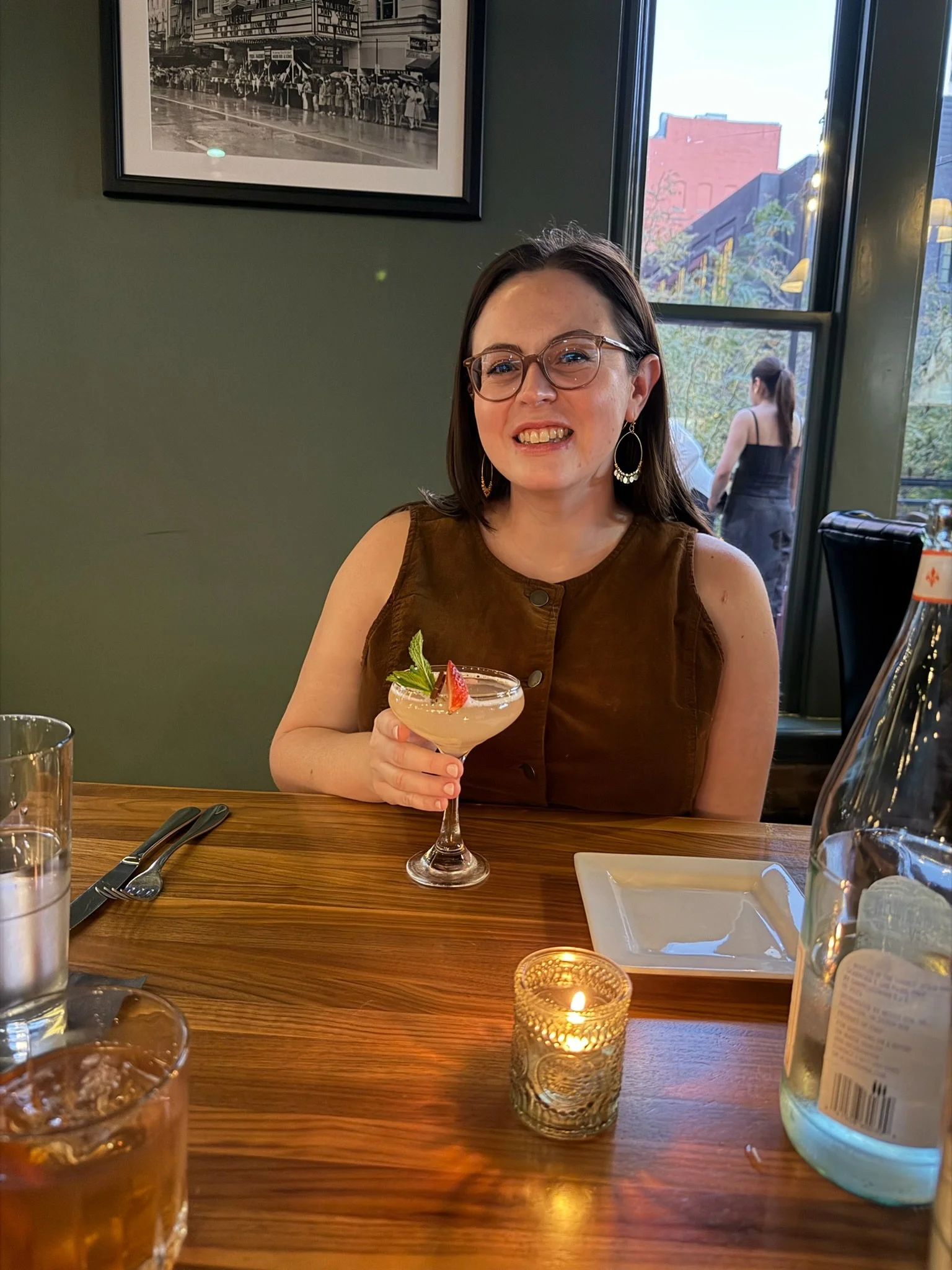
A reminder that being a therapist is something I do, not who I am. There is a whole life here, too. This photo holds a quiet moment of ease, connection, and being off duty. If you are a therapist navigating your thirties and craving more balance, you do not have to do that alone.
I will turn 32 this year, and while I did not suddenly achieve enlightenment or hit nirvana, I did gain a clearer view of what actually sustains me (and other therapists over time). Spoiler alert: it is not accepting every single client, tolerating one-sided friendships, or another certification you panic signed up for at 2 a.m. It’s not telling myself that
Being a therapist in your thirties is a specific experience. You are no longer bright-eyed and bushy-tailed as an associate, but you are not jaded enough to stop dreaming bigger. You have clinical competence, but you are also deeply aware of your own humanity and flaws. You can regulate a room full of emotions while forgetting to eat lunch.
The following are not lessons from a textbook; rather, these are the lessons you learn by sitting with clients all day, managing your own nervous system, running a practice and being self-employed, paying taxes, navigating burnout, and realizing that being good at holding space does not automatically mean you know how to hold yourself.
So here are 32 lessons from a 32-year-old therapist, for my fellow therapists.
Not aspirational. Not perfect. Just honest.
1. We cannot outwork a system that is burning us out
Burnout is rarely a personal failure. Yes, it is our job to reflect on our roles and set appropriate boundaries as necessary. However, most of the time it is a rational response to unrealistic productivity expectations, low reimbursement rates, and being expected to function like a human sponge. Burnout is asking for too much output without enough input.
2. Resentment is often grief for a need that went unmet.
If we find ourselves quietly resenting clients for late-night appointments, supervisors, or loved ones for having desk jobs, it is not because we are heartless to their situation. It is because something is being taken without repair. Time to reflect on our own boundaries.
3. Just because we can tolerate something does not mean we should
High distress tolerance is not a reason to stay in harmful environments. High pain tolerance is a survival skill from all our past trauma, not a life sentence. Suffering is actually not the point of life.
4. Our nervous systems need recovery time, not just “time off”
Scrolling, numbing, and collapsing do not count as regulation. Travelling for weddings, vacations, and family obligations are not actual rest when the agenda is scheduled to the minute. Your body needs actual downshifting with rest, where nothing is required of you, not just the absence of work.
5. Being good at our job does not mean we should make it our whole personality
Surprise: work is often the least interesting thing about people. I want to know what makes someone laugh, what they daydream about, who they love, and what brings them joy. When work becomes identity, burnout has no buffer.
6. Overfunctioning is not professionalism & often looks responsible until it isn’t
If we are always compensating for broken systems, unclear expectations, or other people's lack of initiative, that is not leadership. That is burnout in a blazer and a smile. That is not allowing people to experience the natural consequences of their actions, and we are missing out on a teachable moment. If you need to save the day, the day has already gone to shit.
7. We do not need to earn rest & our rates doesn’t reflect self worth
I constantly ask myself this question: Have I rested enough to be working this hard? While I am admittedly still working on this lesson, I do know that rest is not a reward. Rest is a biological requirement and a form of challenging the misogynistic, capitalistic hellscape around us. And speaking of capitalism: what a therapist charges has nothing to do with their worth or competence. Charging more does not make you more evolved, ethical, or deserving. Money is a construct. Your humanity is not.
8. Most therapists are walking around with unprocessed grief
Grief for who you thought you would be. Grief for how hard this work is. Grief for the parts of yourself you have postponed in order to be stable, capable, or needed.
9. Being self-aware does not mean you are healed
Insight without integration can still leave you exhausted and dysregulated. Therapists love to intellectualize and “make sense” of our experiences without actually processing & feeling. Awareness without embodiment often leads to frustration and stagnation.
10. We can love this work and still need distance from it
Both can be true. Work is not our entire personality or our life. Our hobbies and passions are just, if not more, important than work.
11. Our clients do not need you to be perfect
Instead, our clients need us to be regulated, present, and human. If we need to be perfect, that is our “stuff” to deal with. Also, repair matters more than perfection.
12. The helper identity has a high cost & can be addictive
Being the strong one, the reliable one, the emotionally fluent one often comes with invisible losses. And, it can come with advantages as well, like feeling needed, feeling important, and having a clear role in relationships. Naming that matters. Recognizing what is difficult to give up matters.
13. We are allowed to outgrow modalities, roles, and professional identities
What worked at 26 may not sustain you at 32. Past Aubrey wanted to be a yoga therapist. But, Current Aubrey would never. The practice I built in 2023 is not the practice I need in 2026. No decision is permanent; we always get to make a different choice. Growth often looks like letting go, not adding more.
14. Recognizing our patterns is a gift
I know that when I face a problem, I have a specific formula: panic, complain, have a snack, drink a glass of water, go to bed, and then wake up the next morning ready to problem-solve. Instead of fighting or judging my response, I fully and completely accept who I am. Stop trying to be perfect, and focus on accepting and working with our patterns.
15. The body knows before the brain does
The body is wise. The brain is wired for survival. Symptoms are often communication, not pathology. So, listen to your body and make sure she is nourished, rested, and hydrated, please.
16. You do not need another certification to be worthy
Sometimes the urge to learn more is actually the urge to feel safer. Who really has the power to “own” knowledge and decide who has access to it? Why do we have to pay a ridiculous amount of money to continue our education that is required by law when our therapists are already burdened with debt and the threat of losing our professional status.
17. Being trauma-informed includes being trauma-informed about yourself
Therapist reactions matter too. I have spent the better part of this year navigating an over-functioning/collapse dynamic that triggers me every session. Supervision and consultation is the key to recognizing and owning our own reactions because our nervous systems are always in the room.
18. Private practice does not automatically mean freedom
Without boundaries, it just becomes another place to overextend. When you are a small business owner, you are both the problem and the solution to everything. Whatever problems you face in your personal life, you will deal with in your professional life and vice versa. And, my hot take: not every therapist is meant to be a practice owner.
19. At some point, “this is just part of the job” becomes gaslighting yourself.
It’s a thin line between radical acceptance, denial, gratitude, and self-gaslighting.If you are constantly minimizing your distress, it may be time to pause and reassess
20. Community care is not optional in this profession
We were not meant to do this work alone. We need friends, chosen family, family members, peers, supervisors, and trusted advisors. We all are walking one another home at the end of the day, because no one has all the answers.
22. The better you are at reading others, the easier it is to disappear.
Therapists spend their entire days focusing on other people, noticing subtle shifts, and asking insightful questions. While this is an incredible gift to hold space, it also makes it easier for us to get lost in personal relationships and interactions when we control the conversation by redirecting attention outwards.
23. Clarity is kindness, for ourselves and our clients
Clear policies and expectations early in therapy prevent resentment later. Ambiguity benefits no one. Boundaries reduce anxiety. Personally, I struggled on when to take a sick day. Instead of trying to decide when I wasn’t feeling well, I set specific circumstances (boundaries) for cancelling sessions and offered myself more ease in the future.
24. Your twenties were for learning. Your thirties are for unlearning.
Unlearning hustle culture. Unlearning self-abandonment. Unlearning the belief that goodness is a virtue that will keep you safe. Unlearning that bending over backwards for people is normal.
25. Being regulated does not mean never being angry
Anger is not a failure of regulation. It is information about violated boundaries, unmet needs, or injustice. I would rather express myself honestly, but imperfectly, than be too focused on expressing myself “the right way”.
26. No one tells you how weird it is to date as a therapist
No, I am not currently analyzing you.
No, I will not tell you my wildest story.
And no, you have too many mommy issues.
27. Saying no will disappoint some people. Good. Keep disappointing them.
Saying no can feel easier than tolerating other people’s disappointment, but over time it teaches your body that your needs are negotiable. People-pleasing is often just conflict avoidance with a high emotional cost.
28. Wanting a quieter life does not mean you are unmotivated
Many therapists reach a point where they want less intensity, fewer roles, and more ease. That is not laziness or lack of ambition; it is recognizing what works for you. Sustainability often looks quieter than the success culture promised.
29. Competence can hide a lot
Being capable, articulate, and emotionally fluent makes it easier for others to miss when you are struggling and easier for you to miss it too. When things start to feel heavy, many therapists assume it is just part of being good at their job instead of a sign that something needs attention. Being high-functioning is not the same thing as being well.
30. You can be deeply relational and still need privacy
Being emotionally open at work does not mean you owe total access to everyone in your personal life. Choosing who has earned the right to your energy and your story is a practice in discernment.
31. You will be impacted by this work
Therapists are often expected to absorb intense stories, chronic stress, and systemic harm without it changing us. But being impacted does not mean you are doing something wrong. It means you are human. Pretending otherwise is often what causes the most damage. This is not unprofessional; it means you are still human.
32. Not every part of your life has to become a lesson for a client
Not everything has to become insight, growth, or a takeaway. Some experiences are meant to be lived privately, felt slowly, or kept for yourself. You are allowed to exist without translating every part of your life into something useful for others.
A note from one therapist to another
If you saw yourself in these lessons, you are not alone. Many therapists are quietly struggling while appearing high-functioning and capable on the outside. That does not mean you are failing. It means you are human in a profession that often forgets that therapists have nervous systems too.
Therapy for therapists is not about fixing you. It is about creating space where you do not have to hold everything alone.
You can read more reflections like this on the Sage Holistic Counseling blog at www.SageHolisticCounseling.com/shc-blog. The link is also in my bio.
If you are ready to explore therapy that actually supports you, you can schedule a consultation here:
https://sageholisticcounseling.clientsecure.me/sign-in