10 Tools for BURNED-OUT Therapists (That Actually Help You Recover)
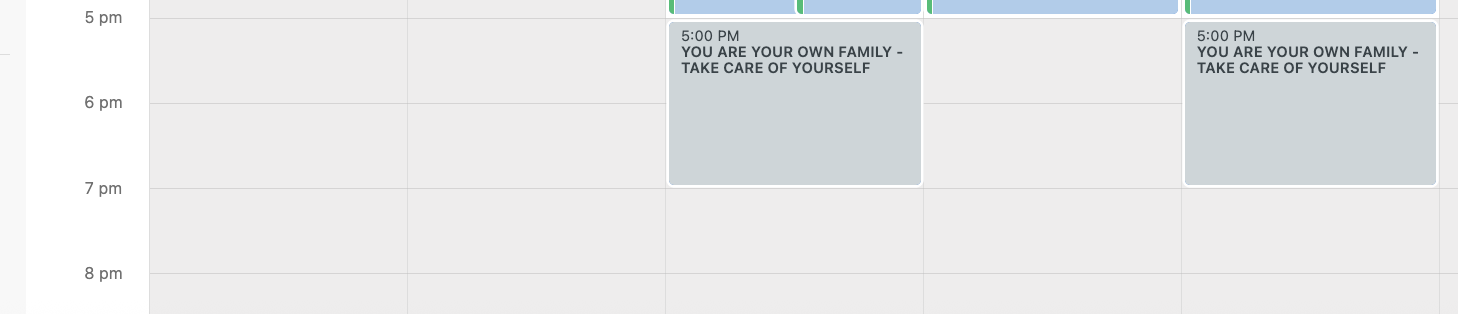
A gentle reminder that rest isn’t earned, it’s essential. Blocking time to care for yourself isn’t selfish; it’s what keeps you human in a profession that asks you to give so much.
If you’ve ever sat in your car after work in your driveway, mindlessly scrolling on your phone because you can’t bring yourself to walk inside your home yet, this is for you.
Therapist burnout doesn’t usually announce itself with flashing lights or dramatic breakdowns. It creeps in quietly. It looks like compassion fatigue disguised as “just being tired.” It feels like the Sunday scaries with a therapy-specific twist: dreading your full caseload, feeling disconnected from your work, and wondering if you’ve lost the version of yourself who used to feel excitement. Here’s the truth: burnout isn’t a personal failure or a lack of self-care. It’s a signal that your nervous system, your boundaries, and your community are asking for something different. You don’t need another list of bubble baths, unhelpful corporate eBooks, and mindfulness apps. You need tools that actually work for therapists, tools that help you stay in the work without losing yourself to it.
Below are ten of my go-to tools for therapist burnout recovery. These are the same foundations I’ll expand on during my Burnout Myth presentation on March 20, 2026, where we’ll go deeper into the systemic side of burnout and how to sustainably rebuild your capacity.
1. The 10-Minute Nervous System Reset
Between sessions, your body doesn’t need a full yoga class; it just needs a reset. Try using Tapping (EFT), a short somatic practice, or a simple grounding exercise that lets your body feel supported by gravity. You can even spend a few minutes noticing where your body meets the chair or the floor. These somatic tools tell your nervous system you are safe, and that it’s okay to come out of constant crisis mode.
2. The “Admin Recovery” Block
Therapists tend to fill every open space with “just one more client.” Schedule a weekly admin recovery block with dedicated time for notes, billing, reflection, or doing nothing at all. Then, go further. Protect time for continuing education, CEO and strategic planning (if you own a practice), and networking with other therapists.
Finally, schedule “stop working, you are your own family” on your calendar when you need to stop working. Just like you’d protect a family dinner or a client session, protect the space where you stop being a therapist and get to be a person again.
3. The Values Check In
Burnout often shows up when your work no longer aligns with your values. Try a quick card sort or journal reflection on what actually matters most to you as a clinician right now. If your week doesn’t reflect your values, something’s off, not you, but the system you’re operating in.
4. The “No, But Kindly” Script
Boundary setting doesn’t have to sound cold. Practice saying “No, but kindly.”
When someone asks, “Can I pick your brain?” try:
“I’d love to be helpful. Do you have a specific question I might be able to answer over email? I don’t have the bandwidth for one-on-one coffee meetings right now, but I’m happy to point you in the right direction if I can.”
Every gentle “no” is a nervous system “yes.”
5. The Co-Regulation Break
You weren’t meant to hold the emotional weight of multiple clients in isolation. Text a trusted colleague after a tough session, join a peer consultation group, or schedule your own therapy session. Burnout thrives in isolation; recovery happens in connection.
6. The Therapist Debrief Journal
Keep a notebook (or a voice memo) just for post-session reflections, not clinical notes, but human ones. Write down what hit you hard, what you want to let go of, or what made you proud. Reflection reduces emotional residue and helps you track patterns before they turn into exhaustion.
7. The Grounding Transition Ritual
When the workday ends, close it intentionally. Light a candle, take a short walk, change clothes, or say out loud, “My workday is complete.” You’re retraining your brain to differentiate you from your role.
I used to have a specific “driving home from work” playlist that I’d play every single day to help my body transition out of therapist mode. Even now, hearing those songs makes me feel instantly calmer and reminds me of the route home. You can train your brain to associate certain sensory cues with relaxation, and use this ritual to switch into ‘home’ mode. This small ritual protects your personal energy more than any productivity hack ever could.
8. The Enough List
Forget the to-do list for a second. Trust me when I say that you will die with a to-do list, my overachieving therapists. Write an enough list or a done list with everything you’ve already done today that moves you toward well-being: you showed up for your clients, you hydrated, you stretched. Start to redefine what counts as “productive.”
9. The Somatic Anchor
When you feel anxious or heavy after a session, focus on a physical anchor: your breath, the weight of your body in the chair, or the texture of something grounding like a smooth stone or cozy blanket. It’s not about detachment; it’s about integration and letting your body know you’re safe again.
10. The Therapist for Therapists Session
Yes, you need therapy too. Especially if your caseload is full of trauma or high acuity work. Finding a therapist who understands the complexity of being the helper can be transformative. Therapy for therapists in Texas is my specialty, and it’s where real recovery begins.
Burnout Recovery Isn’t About Doing More, It’s About Doing Differently
You don’t need to overhaul your life or quit the field. You need sustainable rhythms that honor both your clinical role and your humanity. If you’re ready to go beyond surface-level solutions, join me on March 20, 2026, for The Burnout Myth: What Therapists Get Wrong About Self Care. We’ll dig deeper into:
How to redefine burnout so you can actually recover
How to define self-care versus aftercare and why both matter
Introducing community care as a sustainable solution for burnout
💚 Ready to start your own recovery?
Schedule a consultation now at https://sageholisticcounseling.clientsecure.me/sign-in.
Your capacity matters. Let’s rebuild it, not just for your clients, but for you.