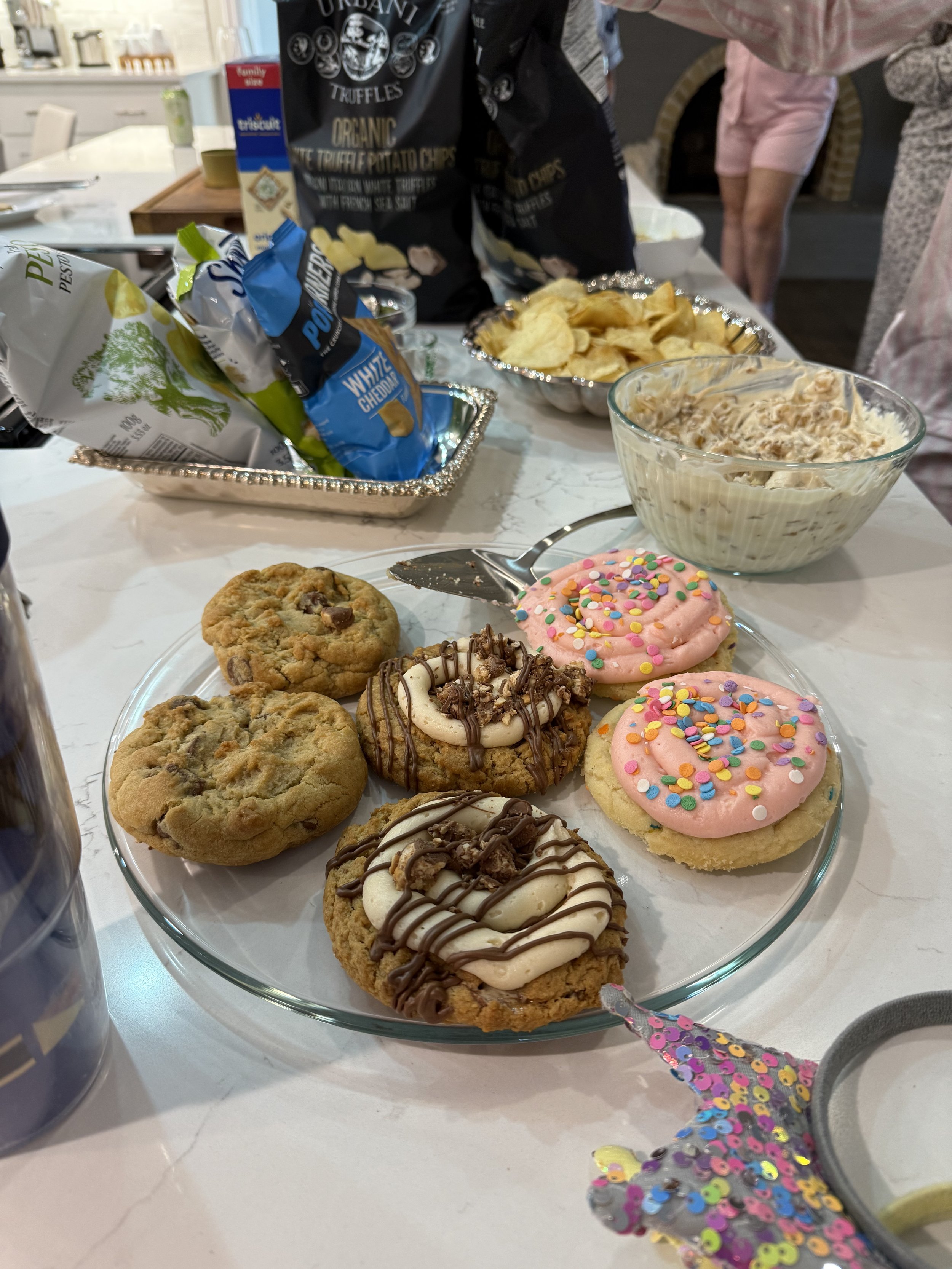
Community care doesn’t always look like advocacy or policy change. Sometimes it’s a shared meal, a full table, and the reminder that none of us heal alone.
Let’s get one thing straight: self-care is not a luxury. It’s maintenance. It’s rest, hydration, therapy, food that actually nourishes you, and time in the sun to remind your body that it’s alive. At its core, self-care is what keeps you functioning as a human being. You are, after all, basically a complicated houseplant with emotions. And while Instagram would have us believe self-care is “treat yourself” energy, the truth is less glossy and far more radical. The best self-care usually can’t be bought. It’s free, unsexy, and incredibly important.
ADLs vs. Self-Care: A “Diddly Squat and a Sandwich” Situation
In therapy terms, Activities of Daily Living (ADLs) are the bare minimum for survival, like sleeping, eating, showering, and putting on clothes that aren’t visibly soiled. Self-care, on the other hand, goes beyond survival. It’s the intentional, preventative stuff that keeps us regulated, balanced, and able to show up for others without falling apart ourselves.
Think of it this way: ADLs are the “diddly squat and a sandwich” baseline. I offer this example to my clients: if making an entire sandwich feels too cumbersome, then eat each of the ingredients individually. Or, I use terms like “diddly squat” to emphasize that sometimes the bare minimum is all you can reasonably expect from yourself that day.
Self-care is the and then what? that builds your backup battery. It’s what allows you to move from merely existing to actually recovering.
Self-care works on two levels:
Self-soothing in the moment: the quick regulation tools that calm your system right now.
Preventative care: the daily, sustainable choices that keep burnout from setting up permanent residence.
It’s the difference between taking a deep breath after you hit the wall and remembering to breathe before you get there.
Why “Treat Yourself” Isn’t the Answer
“Treat yourself” sounds cute on a mug, but it’s not the kind of care most of us actually need.
When self-care gets commodified, it becomes another item on the to-do list and another way capitalism benefits from our exhaustion. We live in a culture that profits off our burnout. It pushes us to overwork, under-rest, and overconsume, then sells us the “solution” in the form of vacation packages, vitamin powders, or green smoothies with influencer discount codes.
The system tells us, you can fix burnout if you just buy the right thing. But the truth? No amount of retail therapy can regulate your nervous system or fix systemic problems. For many helpers, taking a vacation or sabbatical to “recover” isn’t even realistic. Finances, caseloads, and systemic barriers make stepping away nearly impossible. So instead, we chase quick fixes that look like care but feel like pressure. Then, we return back to our broken environment and wonder why we don’t feel any better.
We can’t keep asking helpers to do more self-care when they’re already crispy. What we actually need is systemic change to stop underresourcing and overburdening our helpers.
Aftercare: The Art of Repair
If self-care is maintenance, aftercare is repair. It’s what we do after emotional labor, crisis management, or holding space for someone else’s pain. Think of it as your personal post-crisis ritual the things that help your nervous system come back down to baseline.
Aftercare isn’t extravagant. It’s human. It might look like:
Taking the next morning off after a traumatic session
Canceling non-urgent tasks after hearing hard news
Asking your people to check on you this week
Scheduling an extra therapy session for yourself
Crying in your car (yes, that counts)
Screaming into the void on your drive home (also valid)
Getting on the treadmill because you need to shake it out of your body
Aftercare is what bridges the gap between pretending to smile while saying “I’m fine” and authentically stating“I’m functional.” It’s how we acknowledge that our work has weight and that pretending otherwise doesn’t make it lighter.
Community Care: The Missing Piece of Self-Care
Here’s the thing most conversations about burnout get wrong: self-care is necessary, but it’s not sufficient. We cannot self-care our way out of systemic exhaustion. That’s where community care comes in. Community care is what happens when care stops being an individual project and becomes a collective practice. It’s what we do with and for one another that is mutual, integrated, and sustainable.
It says, “This isn’t just about me; it’s about all of us.”
You might already be doing it without realizing it:
Office meal trains when someone’s struggling
Therapist network co-working hours
Group advocacy projects
Resource swaps and shared templates
Checking in on colleagues after tough sessions
Showing up to professional events, not to network, but to connect
Community care isn’t charity. It’s reciprocity. It’s the quiet, consistent care that keeps helpers from burning out in isolation.
Practical Examples of Community Care for Therapists and Helpers
Let’s make this tangible. Community care can look simple—and still be powerful.
Therapist co-working hours: Log into Zoom, turn your mic off, and write notes side-by-side with another therapist. No small talk required. Body doubling is magic.
Rotating check-in pods: Create a tiny group of 2–3 therapist friends and commit to a low-effort rhythm. One text a week: “Here’s what’s hard.” No advice, no fixing, just witness.
Resource swaps: Build a shared Google Drive of worksheets, forms, and templates. Normalize not reinventing the wheel every time.
Aftercare meetups: When you facilitate a heavy training or hold space for collective trauma, debrief with a colleague afterward. Especially if you’re the one leading the conversation, you deserve the same care you give.
Advocacy and engagement: Vote. Join professional organizations. Push for systemic changes in your workplaces that protect mental health providers from burnout.
Local community care: Contribute to a free pantry, organize a donation drive, or volunteer your skills in ways that reconnect you to purpose instead of pressure.
The more we lean on one another, the less we collapse under the illusion that we have to “handle it all.”
Reimagining Self-Care for Burned-Out Helpers
The next time someone tells you to “just take a vacation,” remember: real self-care doesn’t have to look impressive on Instagram to be effective. Instead, it’s often boring, unphotogenic, and deeply restorative. It’s meal prepping instead of skipping dinner. It’s going outside between sessions. It’s asking for help before the crash instead of after. And it’s knowing that self-care is only one piece of the puzzle. We need aftercare. We need community care. We need systems that care for the people who care for everyone else.
If you’re tired of being told to “rest more” while your world keeps demanding more, you’re not alone. You don’t need another planner or powder, you need support that helps you rebuild from the inside out.
At Sage Holistic Counseling, I help helpers and healers recover from burnout, reconnect to their bodies, and learn sustainable ways to care for themselves without guilt or pressure.
Schedule an initial consultation here or visit www.SageHolisticCounseling.com/about to learn more about Aubrey Richardson, MS, LPC.
Because we can’t keep asking the people who hold everyone else together to keep doing it without concern for their own.