The Silent Burnout of High-Functioning & Anxious therapists: Signs You’re Missing
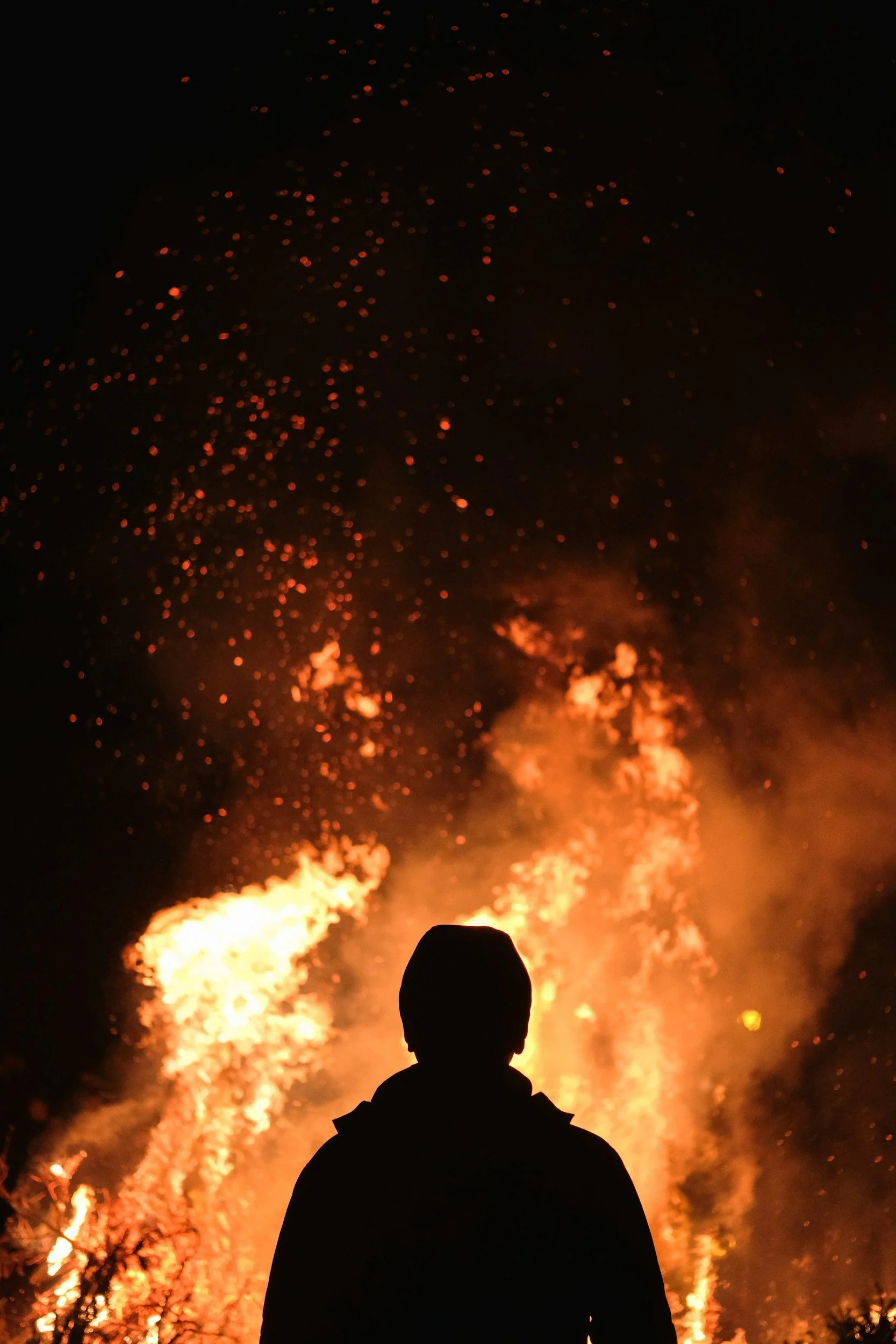
When you're burned out, everything can look fine on the outside, even when the fire inside keeps smoldering. Burnout isn’t always loud. Sometimes, it’s just silently consuming you
High-functioning anxiety often wears a smile. It masquerades as productivity hacks, a full color-coded calendar, and a full bag of emergency supplies at all times—all signs that someone is allegedly thriving and “has it all together”. But behind the curtain of performance lies a persistent tension, an internal pressure cooker that never seems to release. For many helping professionals, especially therapists, this experience is familiar. You keep showing up. You keep giving. But under the surface, something feels off. The best metaphor: You act like a duck, swimming smoothly on the surface, but kicking like hell underneath the water.
At first, it might look like you’re just overwhelmed. You forget a meeting here, show up a few minutes late there. You’re more irritable and snappier than usual, and maybe you’ve started canceling plans last minute, reaching for wine, or online shopping just to feel a little bit better. The work still gets done, but the energy it takes feels ten times heavier than it used to. What you’re experiencing is probably not just stress. It might be emotional burnout.
Burnout, especially the kind that emerges from high-functioning anxiety, can mimic depression and anxiety. But what sets it apart is the systemic piece: the unsustainable demands placed on one person without adequate support or resources to be successful. As a society, we’re quick to suggest personal solutions like getting more sleep, starting journaling, and meditating. But burnout isn’t about a lack of self-care. It’s about a system that keeps demanding more than one human could ever give. And when that system is connected to healthcare, insurance, retirement, and your livelihood, the result can be devastating.
Therapists, in particular, are vulnerable. While we’re trained to recognize these signs in others, it can be difficult to spot them in ourselves. And, therapists continue to face unwarranted stigma from their colleagues about seeking their own therapy. Many therapists are afraid they will be perceived as less capable if their colleagues know they are seeking help, and don’t want this misconception to affect their referrals or business. This is why I am passionate about offering specialized virtual therapy for therapists throughout Texas, because healing from burnout requires more than insight. It requires real, ongoing care in a space where you feel safe.
The signs of emotional burnout are often subtle at first. Tasks that once felt manageable begin to pile up. You find yourself running late to sessions or meetings, something that used to be unthinkable. Your tone becomes more sarcastic or cynical. Maybe you act in ways that surprise you—you cut corners on your treatment notes, are a little too excited when a client cancels sessions last-minute, or respond sharply to a colleague. Physically, your body may be showing signs too: frequent colds, headaches, or just an exhaustion that doesn’t lift, no matter how much sleep you get.
Emotionally, you may feel disconnected from your work. The passion that once fueled you now feels distant, replaced by a dull sense of obligation and dread. You might even question whether you’re still good at your job. This is where burnout gets dangerous, because it doesn’t just impact you. It impacts the quality of care you’re able to offer others. According to a report published by Simple Practice, 35% of those who are burned out say that it affects the quality of care they offer and their ability to be fully present for their clients. Looking to the future, burnout is going to affect the quality of care for everyone, particularly people of color, because of the limited number of practitioners serving those marginalized communities in the first place. The world needs healers and helpers, and the healers and helpers deserve to live a full, authentic, and joyful life free from unrealistic demands.
And then there are the coping strategies. You might start drinking more. Craving more high-carb and high-sugar foods. Spending too much money. Wanting to sleep more. Avoiding tasks that used to feel easy. You scroll on a tiny screen with a medium screen in your lap with a large screen playing TV in the background, and none of the screens hold your attention. These behaviors aren’t character flaws, rather, each is a sign that your nervous system is overwhelmed and searching for relief in whatever way it can.
It’s important to say this clearly (and louder for the people in the back): you cannot self-care your way out of burnout. No amount of journaling, bubble baths, or biohacked morning routines can fix a system that keeps draining you with tons of paperwork, low pay reimbursement, and higher acuity clients than ever before. What you need isn’t more self-discipline. It’s more support. That’s why we need to shift the conversation from individual responsibility to community care and systemic change.
That said, there are steps you can take to protect yourself, especially if you focus on prevention rather than remediation. The goal isn’t to hustle through healing (there are no gold stars in therapy), but to build a more sustainable way of living and working that aligns with your values.
Start by balancing your caseload. If you’re seeing back-to-back trauma clients every day, the emotional toll adds up quickly. Variety in your clinical themes matters. So do breaks—real ones, not the five minutes you spend frantically eating a protein bar while peeing between sessions. Take a day off where you don’t check your email. Advocate for yourself. Ask for appropriate compensation. Contribute to a retirement account (if you don’t have one, get one). Boundaries are essential, even when they feel hard. Saying no to that extra supervision case or that client who won’t respect your schedule isn’t selfish; it’s a form of self-preservation. We need our healers to be well so they can be in the world sharing their gifts for as long as possible, not for our healers to feel burned to a crisp and leave to become a barista. Don’t wait until you're in crisis to start living more of your life outside of work.
Support and supervision matter too. Having a trusted colleague or consultant to debrief with can make all the difference. We were never meant to do this work alone. And when it comes to real, lasting change, we must focus on the environments we work in—not just how we respond to them. We cannot heal in the environments that are responsible for getting us sick.
Therapists also need therapy. Just like how a dentist also needs to see a dentist for a teeth cleaning. And how a surgeon can’t perform surgery on themselves. If you’re searching for therapy for therapists in Texas, you’re not alone. The emotional labor of this work is real. You deserve a space where you get to be held, not just the one holding everyone else. If any of this sounds familiar, I want you to know you’re not failing. You’re likely operating in a system that’s asking for more than any one person can sustain. Burnout isn’t a personal flaw. It’s a signal. And it means it’s time to shift something, not just within you, but around you.
If you’re looking for therapy for therapists in Texas, I specialize in honoring the complex reality of being a helper who needs help. You don’t have to keep doing this alone. You don’t need to keep suffering.
Schedule a free consultation HERE or through the link in my bio.