Healing the Part of Us That Became the Therapist in the Family
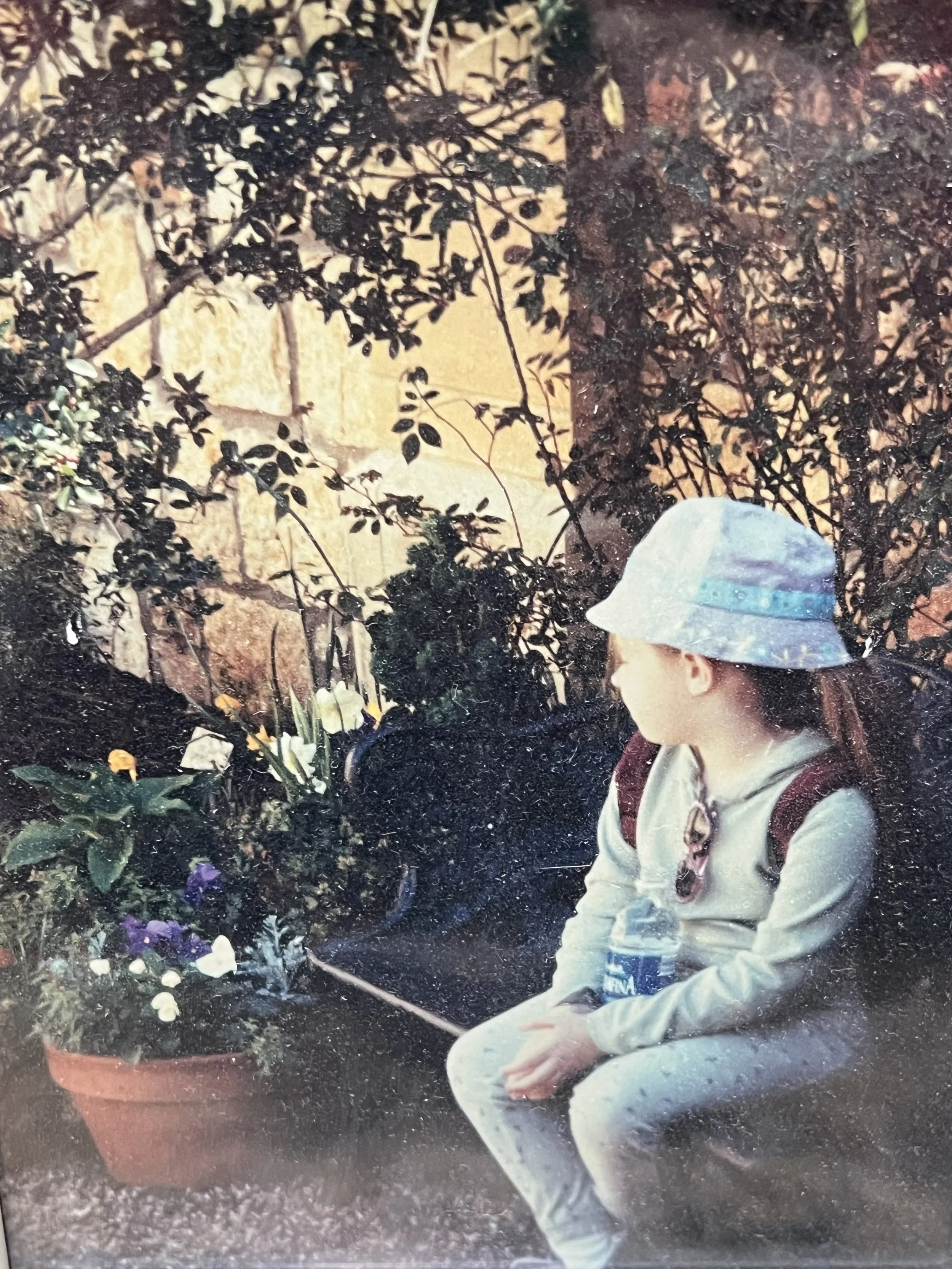
We learned how to take care of everyone else before anyone learned how to take care of us. That pattern does not disappear. It follows us into our relationships, our work, and our burnout.
We did not become the therapist in our family because we were the strongest.We became the therapist because no one was taking care of us.
Somewhere along the way, we learned how to read the room before we could read ourselves. We learned how to anticipate needs, manage emotions, de-escalate conflict, and hold everything together.
And now we are exhausted
Resentful.
And still the one everyone calls.
The Role Was Assigned Before We Could Consent
Growing up too fast was not a choice
We were not born overfunctioners. We were shaped into it.
When caregivers were unavailable, overwhelmed, or emotionally inconsistent, someone had to step in. Someone had to make sure things did not fall apart. Unfortunately, that someone became us.
When a child has to grow up too fast, children take on adult responsibilities that aren’t always dramatic or overwhelming at first. But over time, these overwhelming responsibilities become a consistent part of their life. The “little therapist” becomes the default listener, mediator, and emotional support person in the family. This means that as the de facto adult, the parentified child doesn’t believe that they get to fall apart because everyone else already has.
Overfunctioning becomes identity
What started as survival becomes identity. Parentified children see themselves as strong, reliable, and as the one who can handle it. These qualities become enmeshed with our sense of self. And over time, people get used to that version of us and begin to expect it. With relying and counting on the “little adult” to show up the same way, the kid doesn’t know what to do besides figure it out. And slowly, we stop asking who is taking care of us.
The Cost of Staying in This Role
Burnout is not surprising here
When we carry emotional responsibility that was never ours to hold, burnout is not surprising. It is where this pattern leads. When we are holding the emotional weight for everyone else, it doesn't take long for resentment, exhaustion, and numbness to take over. The first step to shifting this pattern is to start telling the truth about what we are carrying.
Because the hardest part of healing is admitting the thing we don’t want to be true.
How this shows up in our adult lives
We see this pattern everywhere:
In relationships where we feel responsible for other people’s emotions
In workplaces where we take on more than our role
In friendships where we are always the one holding space but rarely being held
This is where people pleasing behavior starts.
Not because something is wrong with us, but because we learned early on that our value came from how well we showed up for everyone else.
When this becomes our work
For many of us, this does not stay in our personal lives.
We build careers around it. We become therapists. Caregivers. The ones people come to when things fall apart. So, we start to spend our days holding it together, making sense of things, and helping others keep going. And then we wonder why burnout feels so personal.
It is not just the work.
It is the pattern following us everywhere.
The grief we do not talk about
There is also grief here.
Grief for the version of us that never got to be supported.
Grief for the fact that we learned how to care for others before we were ever cared for in the same way.
And if we do not name that grief within our relationships, it shows up as resentment, anger, and anxiety.
Moving From Overfunctioning to Real Connection
Letting go does not make us cold
This is the fear.
If we stop carrying everything, who are we?If we stop being the one who holds it all together, what happens next?
We worry that setting boundaries will make us distant. Unkind. Unpleasant to be around.
But boundaries do not make us cold, selfish, or a bitch.
They make things honest, and give our loved ones clear guidelines on how to love one another from a safe distance.
We have to rethink what we are actually responsible for
If nothing changes, we stay stuck carrying everything.
We are responsible for:
Our thoughts
Our feelings
Our behavior
That’s it.
We are not responsible for:
Managing everyone else’s emotions
Preventing discomfort
Holding entire systems together
Moving toward relationships that feel more balanced
The goal is not to stop caring.
The goal is to stop abandoning ourselves in the process.
Real connection requires something different.
Being able to say:
“I cannot hold this right now”
“I need support too”
“This does not work for me”
This is how we start to step out of overfunctioning and into relationships that feel more balanced.
We were never meant to carry everyone else and ourselves at the same time.
If this is the work we are ready to start, we can schedule a consultation here:https://sageholisticcounseling.clientsecure.me/sign-in
More resources are available at:www.SageHolisticCounseling.com/shc-blogLink is also in the bio.