Women Are Not “Too Emotional.” They Are Carrying Too Much
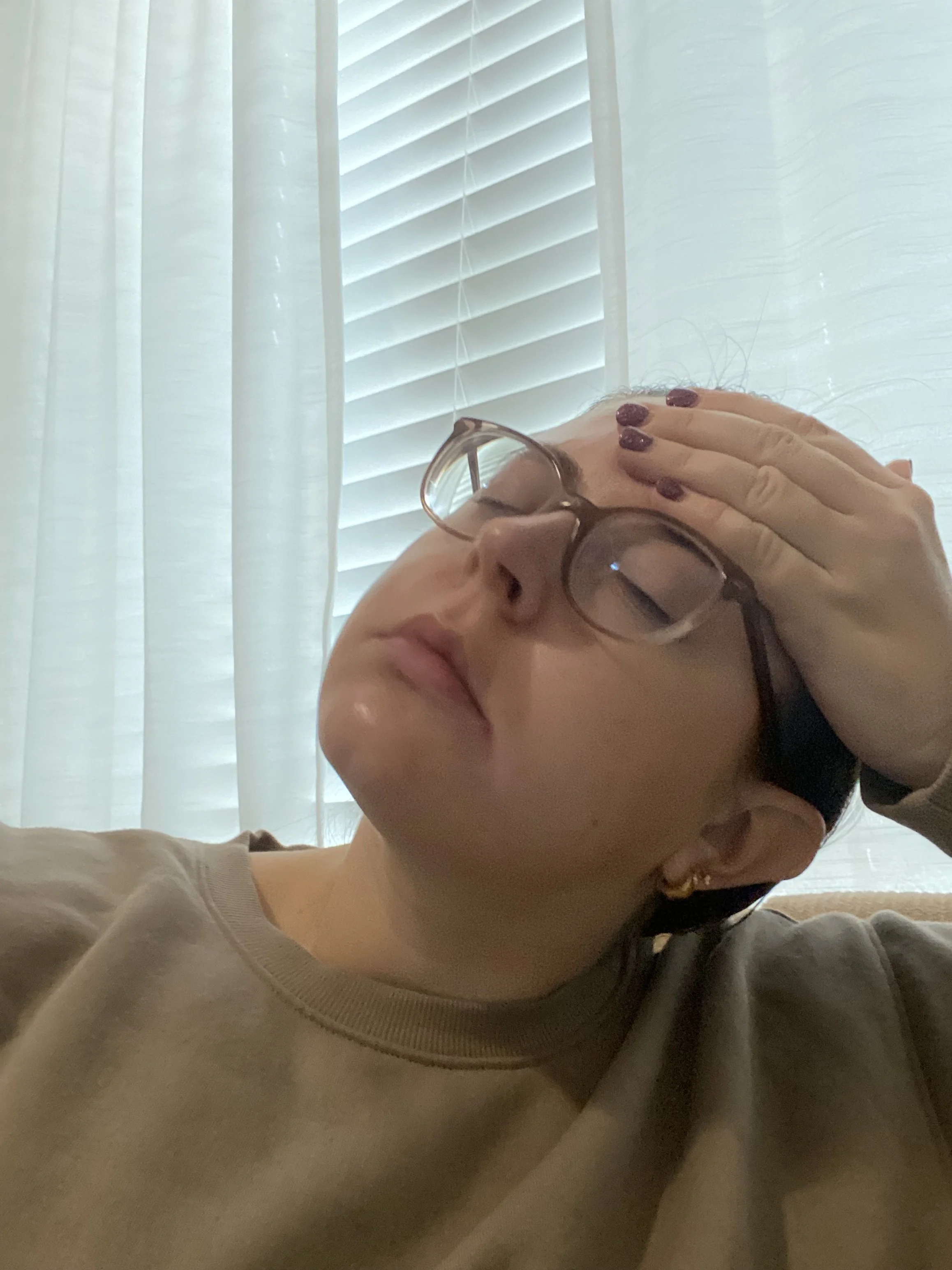
A lot of women are not “too emotional.” They are carrying emotional workloads that no one else sees while still trying to function like it costs them nothing.
Women are not overreacting. Women are overloaded.
Women are carrying the emotional weight of relationships, households, workplaces, caregiving, invisible planning, conflict management, and everyone else’s comfort while still trying to function like none of it affects them. And eventually the body starts to scream in protest.
Sometimes it looks like tears during an argument, feeling more irritable without cause, emotional numbness, complete exhaustion, or even resentment that feels impossible to explain. Generally, instead of recognizing overload, or that it is simply a normal response to an abnormal situation, women are often labeled:
Too emotional
Too sensitive
Too reactive
As if the body responding to chronic stress is somehow the problem, and not the burden of replacing inadequate systemic wide infrastructure.
Emotional Suppression Is Often Mistaken for Strength
Women are socialized to absorb
Many women are taught early that emotional expression should be generally softened, palatable, or redirected into something more acceptable. No woman wants to be labelled as dramatic or irrational and then be dismissed. And unfortunately, anger becomes tears. Frustration becomes guilt. Resentment becomes overfunctioning.
We learn how to stay pleasant, accommodating, and emotionally aware of everyone else while disconnecting from what we are actually feeling ourselves. Over time, this creates enormous nervous system strain.
The body eventually starts speaking for us
The nervous system is not designed to absorb endless stress without response. When emotions are repeatedly suppressed, minimized, or overridden, the body still tries to communicate albeit in a different way. If we ignore the feeling, the body communicates via physical sensations or pain. This is why overload often shows up physically:
Tension
Exhaustion
Irritability
Shutdown
Tears
Feeling emotionally flooded
We cannot endlessly absorb stress and still expect the body to stay quiet. Most of my clients who have historically suppressed their trauma, anger, and their needs later deal with digestive issues, chronic pain, headaches, general tension, and autoimmune conditions. No matter what, the body continues to keep the score.
Emotional Overload Is Not Weakness
Carrying too much changes the way we respond
A lot of women are functioning under chronic emotional responsibility by managing everyone else’s emotions, preventing conflict, holding relationships together, and anticipating needs before they are spoken. Because much of this labor is invisible (and it’s attributed to her caring personality and not a learned skill), there is rarely enough recognition, support, or reciprocity.
So eventually even small stressors start feeling enormous because the nervous system is already overloaded before the moment even begins.
Burnout often looks emotional before it looks physical
Many women assume they are “too emotional” when they are actually burned out.
Burnout affects:
Capacity
Patience
Emotional regulation
Stress tolerance
Motivation
The ability to recover
This is not weakness, but rather this is what happens when someone has been carrying too much for too long without enough support. Burnout becomes a public health issue with wide reaching physical, emotional, spiritual, and mental ramifications.
Emotional Regulation Is Not Emotional Suppression
The goal is not becoming less emotional
A lot of women try to solve overload by becoming smaller, quieter, easier, or more disconnected from their feelings. Even worse, women learn that emotional regulation is maintaining calm in any and all situations.
Somewhere the true meaning got lost! True emotional regulation is not about shutting emotions down; instead, it is about being able to experience emotions without abandoning ourselves inside them.
The body needs support, not punishment
After abandoning ourselves and ignoring our needs for so long, we have to work to regain trust with our body. Stability, predictability, consistency, and grace are needed to recalibrate the nervous system and reconnect the body and mind. Nervous system work matters.
Rest
Breathing
Movement
Boundaries
Honest conversations
Reducing emotional overload where possible.
Not because emotions are bad, but because the body needs opportunities to recover from chronic activation.
Full stop: Women are not “too emotional”, they are simply carrying more than one nervous system was ever meant to hold alone.
If this is the work we are ready to start, we can schedule a consultation here:https://sageholisticcounseling.clientsecure.me/sign-in
More resources are available at:www.SageHolisticCounseling.com/shc-blog