Boundaries Feel Mean When We Were Raised to Be Useful
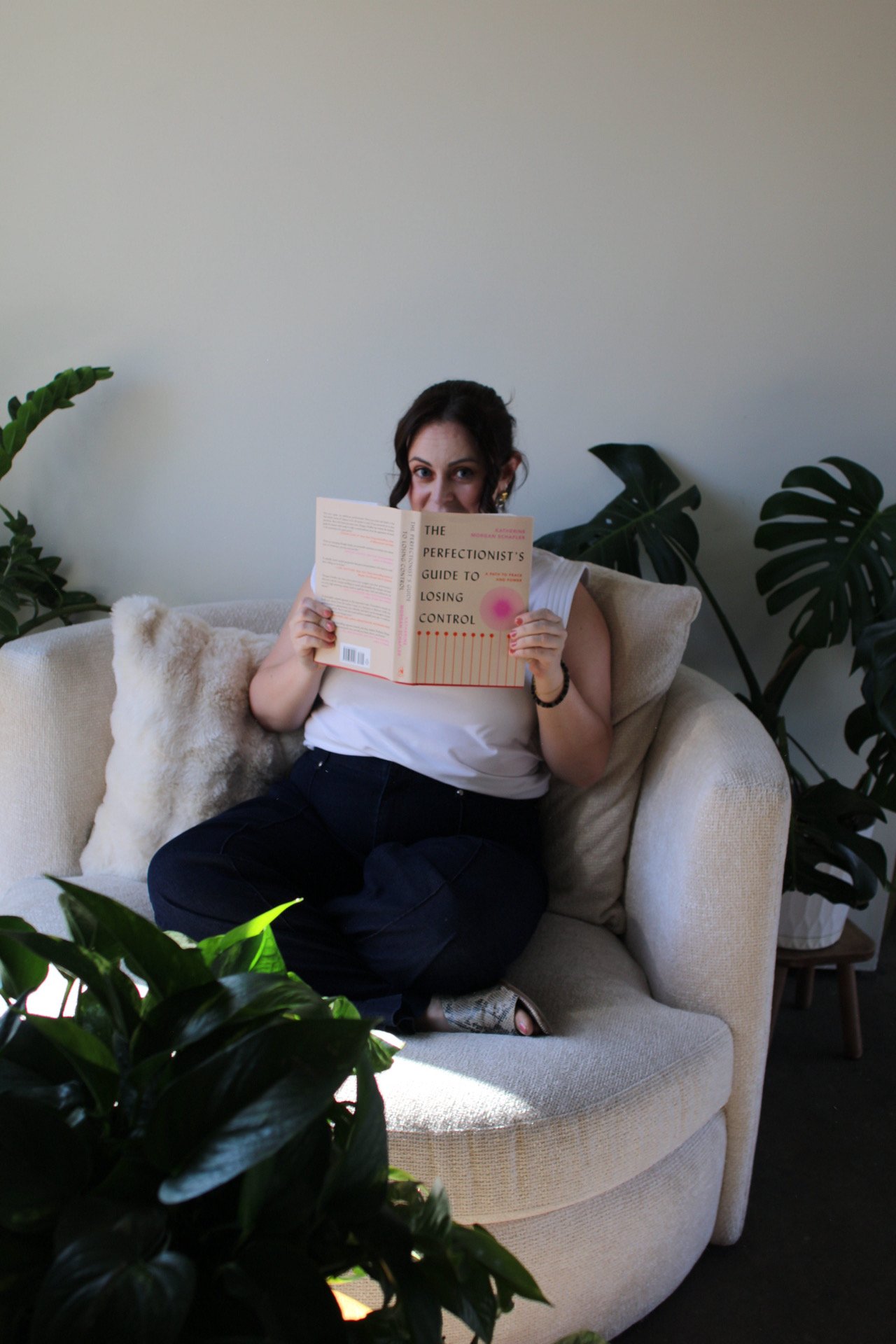
Boundaries often feel mean when usefulness became tied to love, connection, and worth. Many women are not struggling to say no because they are selfish. They are struggling because disappointing people feels emotionally unsafe.
For many high achieving women, boundaries do not feel difficult because we are selfish.
They feel difficult because usefulness became tied to love, safety, connection, and worth.
A lot of women learned early that being helpful, accommodating, emotionally aware, and easy to rely on kept relationships stable. We became the responsible one. The dependable one. The one who anticipated needs before they were spoken and stepped in before anyone had to ask.
And over time, saying no stopped feeling uncomfortable and started feeling dangerous.
Usefulness Often Becomes Identity
Many women learned that love had to be earned
A lot of overfunctioning patterns begin long before adulthood.
Some women grew up feeling responsible for other people’s emotions, family stability, or emotional safety. Others learned that being useful reduced conflict, created connection, or made them feel valued.
So we became:
Helpful
Reliable
Self sacrificing
Emotionally aware
Easy to depend on
And eventually, usefulness became identity.
Boundaries trigger guilt because they interrupt old survival patterns
This is why boundaries can feel emotionally overwhelming even when they are healthy.
Saying:
“I can’t do that.”
“I don’t have the capacity.”
“I need help too.”
…can trigger guilt, anxiety, fear of disappointing others, or fear of losing connection.
Because boundaries challenge the belief that our role is to keep everyone else comfortable at our own expense.
Overfunctioning Often Looks Like Caregiving
Emotional responsibility becomes automatic
A lot of women are carrying emotional responsibilities that were never fully theirs to begin with.
Managing other people’s moods.
Preventing discomfort.
Overexplaining.
Apologizing first.
Fixing conflict.
Holding relationships together.
And because these behaviors are often praised, they can look like personality traits instead of survival patterns.
But overfunctioning is not always kindness.
Sometimes it is fear.
Many women would rather burn out than disappoint someone
This is where resentment starts building quietly.
Because underneath people pleasing is often exhaustion.
We say yes when we mean no.
We keep helping when we are already depleted.
We prioritize everyone else’s comfort while abandoning ourselves in the process.
And eventually the body starts responding with burnout, irritability, resentment, or emotional shutdown.
Boundaries Are Not Rejection. They Are Honesty
Boundaries create clarity
A lot of women worry that boundaries will make them cold, selfish, or difficult.
But healthy boundaries are not punishment.
They are honest communication about capacity, limits, and responsibility.
Boundaries sound like:
“I’m not able to take that on.”
“I need support too.”
“That doesn’t work for me.”
“I can participate, but not in the same capacity as before.”
Real relationships can tolerate honesty
When one person stops overfunctioning, the system changes.
Some relationships become healthier.
Some people step up.
Some people resist.
And that can be painful.
But boundaries help reveal whether relationships are built on mutual effort or silent self abandonment.
Because real connection does not require us to disappear in order to maintain it.
We are not difficult for having limits.
We are human.
And boundaries are often the first step toward building relationships where support moves in both directions instead of only one.
If this is the work we are ready to start, we can schedule a consultation here:https://sageholisticcounseling.clientsecure.me/sign-in
More resources are available at:www.SageHolisticCounseling.com/shc-blog
Link is also in the bio.