
The Power of Supervision, Consultation & Therapy: Why Every Therapist Needs It (Even When There’s No Time)
Group supervision isn’t just a luxury—it’s a necessity for every therapist. It’s a space where you get to process, grow, and be supported in ways that help you show up as the best version of yourself for your clients.
Even when time feels tight, investing in supervision, consultation, and your own therapy is essential for maintaining balance, perspective, and long-term success in your work

5 Signs It's Time for a Therapist to See a Therapist
As therapists, we know the importance of seeking help when we need it—but sometimes, it’s hard to admit that we need support too. 🧠💚 In my latest blog post, I share the 5 signs it’s time for a therapist to see a therapist (because yes, even we need help sometimes!).
From burnout and self-doubt to the tricky dynamics of finding a therapist who “gets it,” this post explores why it's okay to reach out for support—and how to overcome the unique challenges therapists face when seeking therapy.

Why You Stay with a “Good Enough” Therapist
✨ Are you staying with a "good enough" therapist because you think it's all you deserve? ✨
Limiting beliefs like "I'm not important enough" or "Change is too hard" can keep us stuck in therapeutic relationships that no longer serve our growth. But therapy isn’t about settling—it’s about finding the support that aligns with your needs.
If you’re feeling uncertain about whether to stay or move on, this blog explores why we hold onto "good enough" and how to take the courageous step toward something better. 💚

Breaking Up with Your Therapist: Ending with Your Therapist When It’s No Longer a Good Fit
Therapy is one of the most profound investments you can make in your mental health and overall well-being. The bond you form with your therapist is often built on trust, vulnerability, and collaboration. But what happens when that relationship no longer feels supportive? Deciding to end therapy with a particular clinician can be challenging, but it’s an important step if the fit isn’t right. Here’s how to recognize when it’s time to move on, how to navigate the conversation, and what steps to take next.

I Will Die on This Hill: Why Therapists Need Therapy
Being a therapist doesn’t mean we’re exempt from needing support. In fact, the emotional weight of holding space for others practically guarantees that we do. Therapy gives us a chance to process our own experiences, work through challenges, and show up authentically—not just for our clients, but for ourselves.
If you’re in the trenches of therapy work, especially here in Texas, and you’re thinking, “Do I really need therapy?” the answer is a resounding yes. Let’s make it part of the journey.
Breaking Free from Overachieving: Your Questions Answered
Do you feel like you’re constantly chasing the next goal, yet never feeling satisfied? If you can’t seem to slow down without guilt or fear of falling behind, you might be stuck in the overachieving cycle. In this Q&A series, I’m answering YOUR questions about overachieving, exploring why it happens and how to break free.
As a holistic therapist who supports high-achievers, caregivers, and helping professionals, I’ll share actionable strategies to help you shift your mindset, prioritize rest, and embrace a life that’s not all about doing, but also about being.
🎥 Questions we’re covering in this episode:
Why do I feel like I have to earn rest?
How can I stop tying my self-worth to my productivity?
What’s a realistic way to start slowing down without losing momentum?
If you’re ready to let go of the pressure to do it all and reclaim balance in your life, this video is for you. Watch now to learn how to challenge overachieving tendencies and find peace in the process.

Wrapped in Expectations: Navigating Perfectionism, People Pleasing, and Overachieving at the Holidays
🎁 Are you feeling wrapped up in the stress of holiday perfection? Balancing people-pleasing, overachieving, and your own needs can feel overwhelming this time of year. This blog dives into how to set boundaries, let go of impossible expectations, and truly enjoy the season.

“Sure, I Have Plenty of Towels…” Navigating Holiday Stress as a People Pleaser
🎄 Feeling like your holiday to-do list is as tall as the Christmas tree? This season, it’s time to stop overcommitting and start prioritizing your needs. Check out the blog for tips on navigating holiday stress as a people-pleaser.
Q&A: People-pleasing
Are you a chronic people-pleaser, always saying “yes” when you really want to say “no”? In this Q&A series, I’m answering YOUR most common questions about people-pleasing, from why it’s so hard to set boundaries to how it impacts your mental health and relationships.

📝✨ Get Your Financial Shit Under Control: A Blog Collection! ✨📝
📝✨ Get Your Sh*t Under Control: Finances & Mental Health Edition! ✨📝
Are financial worries keeping you up at night? You’re not alone! I’ve compiled a collection of blogs focused on the intersection of finances and mental health, specifically for therapists and helping professionals.
From budgeting tips to understanding money mindset, these insights aim to help you regain control over your financial situation while prioritizing your mental well-being.
Let’s tackle those money concerns head-on and explore how a healthier relationship with your finances can lead to greater peace of mind. 💪

A Therapist for Therapists’ Guide to Surviving Thanksgiving
Thanksgiving doesn’t have to be a source of stress or dread. By setting boundaries, communicating assertively, and prioritizing self-care, you can protect your mental well-being and create an experience that feels true to you. Embrace your values, show yourself kindness, and remember: you deserve a peaceful, fulfilling holiday as much as anyone else.
Q&A: Perfectionism
Are you tired of feeling like you’re constantly chasing an unattainable ideal? In my latest video, we dive into some of the most common questions about perfectionism and how it impacts our lives. From why we set such high standards for ourselves to how to embrace our beautifully imperfect selves, we’re tackling it all! Whether you're a fellow perfectionist or just curious about the topic, this is for you. Let’s explore practical tips and insights to help you break free from the perfectionist mindset and start living authentically. Ready to embrace the messy journey of life?

“I should be grateful” and other bullshit I hear in my therapy sessions during November
As November rolls around and we’re surrounded by messages of gratitude, I start to hear familiar phrases in therapy sessions: “I should be grateful,” “I shouldn’t feel this way,” and other variations of self-dismissal that subtly encourage clients to ignore their struggles. And to be honest, it’s such bullshit. Society’s push toward gratitude can be uplifting, yes, but for many people, it can also feel invalidating. This is especially true if it leads to suppressing real, complex feelings. Let’s explore why statements like “I should be grateful” can be problematic and how we can explore redefining gratitude in a healthier, more authentic way.

HOW 5 MINUTES A DAY DIDN’T CHANGE MY LIFE
Here’s What Happened After 3 Months of Daily Affirmations" 🌟 Three months of affirmations—do they really work? 🌟 I committed to practicing daily affirmations for 3 months, and the results were... surprising. What started as simple words of encouragement became a powerful tool for changing my mindset, reducing stress, and helping me reconnect with my purpose. In my latest blog, I’m sharing the highs, the challenges, and the ultimate impact of this practice on my life and work. 🙌 Want to see how affirmations can shift your mental and emotional well-being?

Caregiver Burnout & Abuse: When Caregiving Is Weaponized
Caregiving is often seen as a noble and selfless role—whether it’s caring for an aging parent, a chronically ill spouse, or a child with special needs. Caregivers are typically lauded for their compassion and dedication. However, there’s an often overlooked and dark side to caregiving that is rarely discussed—when caregiving becomes weaponized.

Why Aren't More Therapists in Therapy?
If we want to create a culture where more therapists feel comfortable seeking therapy, change needs to happen on multiple levels. First, we need to address the stigma surrounding therapists seeking help. Therapists, like anyone else, deserve access to care without judgment or shame. Second, financial barriers and time constraints also need to be addressed. Whether that means creating more affordable therapy options for mental health professionals or encouraging therapists to set stronger boundaries around their own well-being, these challenges cannot be ignored.

Discover the Sage Experience: What It's Like to Work with Me
As a therapist dedicated to supporting therapists, caregivers, and helpers, I understand the unique challenges you face. In this video, I’ll share a bit about my approach to therapy, and how we can work together to help you thrive.

Emotional Neglect: The Secret Contributing Factor to People-Pleasing
People-pleasing is a common behavior pattern where individuals go to great lengths to pacify others, often at the expense of their own well-being. While this tendency can stem from various sources, one significant yet often overlooked factor is emotional neglect. This form of neglect can profoundly impact an individual's self-worth and relational dynamics, leading them to prioritize others’ needs over their own.

Crisis Resources available in Dallas/DFW Texas
As part of Suicide Prevention Month, it's essential to raise awareness about the resources available to those in crisis. Whether you're struggling with overwhelming thoughts, dealing with the aftermath of trauma, or supporting a loved one in need, knowing where to turn can make all the difference.
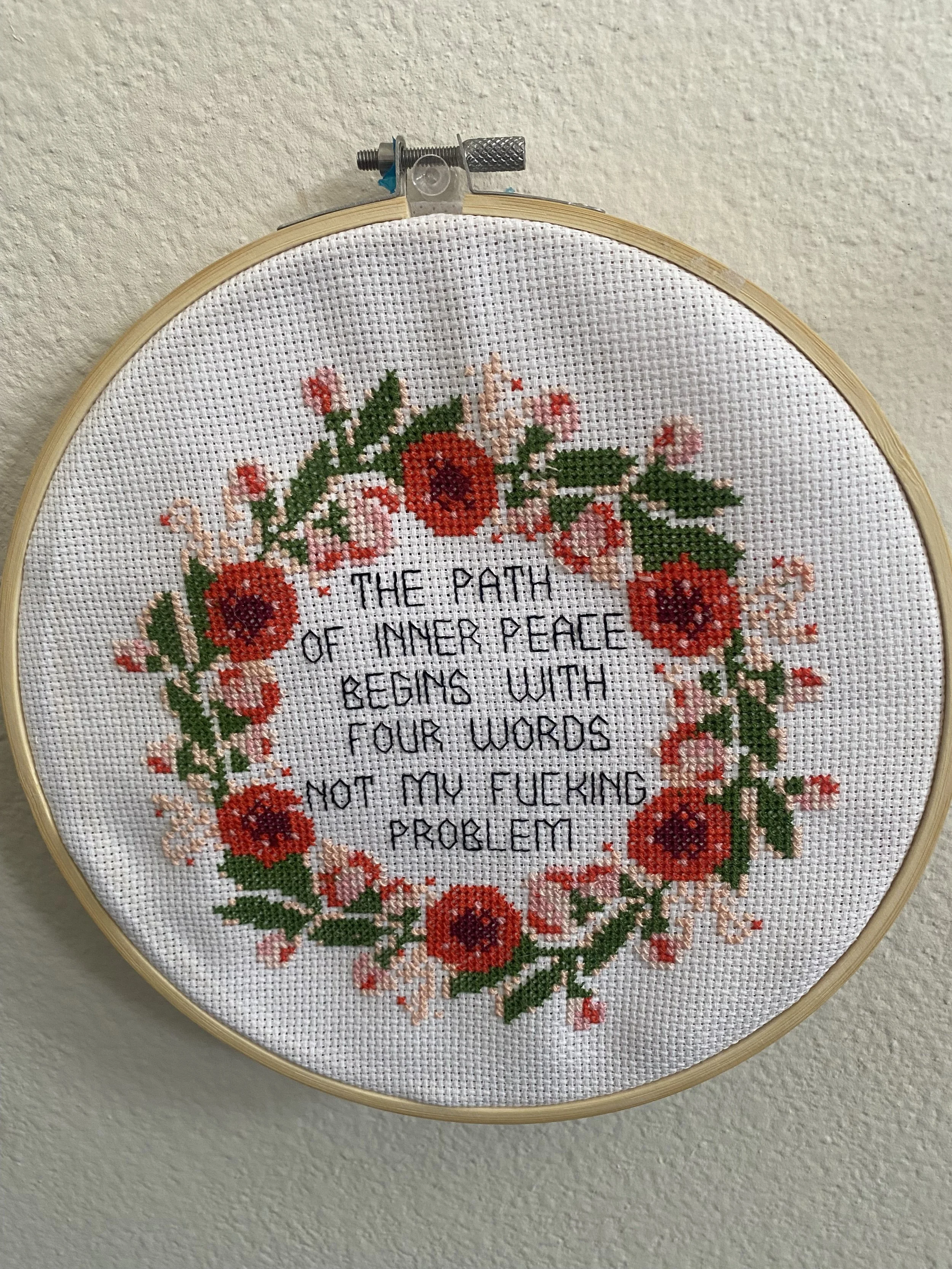
How to Rest More Productively: Finding Balance by Engaging Your Hands
In our fast-paced world, the idea of rest can often feel elusive. We're constantly bombarded with messages about productivity, achievement, and success, making it difficult to slow down and recharge. For those who work with their minds all day—whether it's problem-solving, strategizing, or managing complex emotional landscapes—rest becomes even more crucial. But how do you rest effectively when your brain is always on overdrive? The answer lies in a surprising yet simple approach: rest with your hands to give your brain a true emotional break.