
Why I’m No Longer Sold on ‘Recovering Perfectionist’
You’ve probably seen it in bios and captions, maybe even in mine: recovering perfectionist. It’s meant to be a wink to those who know, for those of us who have spent years trying to get things just right, who carry the weight of everyone’s expectations like it’s our full-time job. But lately, I’ve started to question the term. Not because I don’t relate to it. I do, 100%. But, because I think we need to talk more deeply about what “recovering” implies, who it is used to describe, and what that says about our current culture.

What I Wish I Knew My First Year Licensed as a therapist
Becoming fully licensed is a huge milestone and a huge adjustment. You go from having constant supervision and structured guidance to suddenly being "on your own," and while that independence can feel exciting, it can also feel overwhelming and isolating. No longer a “baby therapist”, but a full “adult therapist” with a shiny new license. But if you’re anything like I was, you quickly realize that licensure doesn’t come with a roadmap or a book with answers. Suddenly, you look around and realize that you are the therapist in charge of the room (how did I become the most adult in the room?), and you miss your supervisor. There’s so much I wish I had known that first year about managing my calendar, setting boundaries, and building a sustainable career. If you're just starting or have been practicing for a while, I hope these lessons help you skip some of the unnecessary stress. If anything, I hope you make your own mistakes and learn from mine.

The Silent Burnout of High-Functioning & Anxious therapists: Signs You’re Missing
High-functioning anxiety often wears a smile. It masquerades as productivity hacks, a full color-coded calendar, and a full bag of emergency supplies at all times—all signs that someone is allegedly thriving and “has it all together”. But behind the curtain of performance lies a persistent tension, an internal pressure cooker that never seems to release. For many helping professionals, especially therapists, this experience is familiar. You keep showing up. You keep giving. But under the surface, something feels off. The best metaphor: You act like a duck, swimming smoothly on the surface, but kicking like hell underneath the water.

Recognizing the Signs of Perfectionism: A Self-Assessment Guide
Everything always has to be just right.
Balanced. Timed perfectly. Handled without flaw.
But living like that? It’s exhausting.
And for many helpers and high-achievers, it’s not about aesthetics—it’s about survival.
Perfectionism isn’t just a personality quirk. It can be a trauma response. A way to feel in control, safe, or worthy in systems that reward overfunctioning and punish rest.
This week’s blog offers a self-assessment to help you gently explore the why behind your perfectionism—and how it’s showing up in your daily life

How to Break Free from the Perfectionism Trap
Perfectionism convinces you that everything needs to be just right—including you. But real connection doesn’t come from being flawless; it comes from being human. You don’t have to hold everything together to be worthy of rest, support, and care.

The Difference Between Helping and Self-Sacrificing
f you’re a natural giver, a helper, or someone who has spent a lifetime tending to the needs of others, it might feel like second nature to step in whenever someone needs you. You’re the one who anticipates problems before they happen, who offers support before it's requested, and who is so deeply attuned to the emotions of those around you that their struggles feel like your own. Helping is part of who you are. It’s a value you hold close. But at what point does helping shift from an act of kindness to an act of self-sacrifice? And when does that self-sacrifice become harmful?

Why Perfectionism Is Keeping You Stuck in the Helper Role
Perfectionism convinces you that balance means keeping everything perfectly aligned—never letting anything slip, always staying in control. But in reality, true balance isn’t about perfection; it’s about allowing yourself to rest, set boundaries, and accept that “good enough” is enough.

Ask Me Anything: Behind the Scenes with a Therapist
Ever wondered what inspired me to become a therapist, what challenges I love tackling, or what I’d be doing if I wasn’t in this field? I recently answered some of your burning questions in an AMA video, and let’s just say—you got me to spill!

How My Own Therapy Helps Me Be a Better Therapist
Let’s get something straight—I would never ask my clients to do something I wouldn’t be willing to do myself. Whether it’s sitting with discomfort, confronting hard truths, or actively working toward healing, I believe in practicing what I preach. That’s why I recently started my own EMDR therapy. Yes, even therapists need therapy. And honestly? It’s about time.

Why Therapists Stay in Therapy
Therapists are often seen as the ones who have all the answers. We hold space, provide guidance, and are trained to help others navigate their emotions and challenges. But despite our expertise in helping others, many of us still choose to seek therapy for ourselves. If you’ve ever wondered why a therapist would stay in therapy, especially when we spend our days helping others, you're not alone. The reality is, that therapy is just as important for us as it is for our clients.

The Emotional Cost of Always Saying Yes
Underneath that automatic yes is often a quiet (or not-so-quiet) panic—an internal scream as we realize we’ve overcommitted again. In the moment, saying yes might seem like the easier choice. It spares us from disappointing someone else, from feeling guilty, or from confronting the discomfort of setting a boundary. But over time, consistently saying yes at the expense of your own needs comes with a steep emotional cost.

ROUND-UP: Self love resources from a therapist’s therapist
Self love is not a destination you arrive at once and for all. It is a practice you return to in small, ordinary moments when you choose yourself instead of abandoning your needs. Across these posts, the common thread is not perfection or positivity. It is permission. Permission to rest without earning it. Permission to change your mind. Permission to stop proving your worth through overgiving. If any of these reflections resonated, let this be your reminder that caring for yourself is not selfish or indulgent. It is necessary. And you do not have to navigate that work alone.
Video: My Experience Finding a New Therapist
Finding a therapist as a therapist is an Olympic-level event. Do I want someone who knows the ins and outs of countertransference, or do I need someone who won’t let me intellectualize my feelings for 50 minutes straight? Should they be trauma-informed? Somatic? Do I have the emotional bandwidth to explain why “just set a boundary” is NOT helpful advice?
This is my journey of trying to find a therapist who could handle me—a high-achieving, overthinking, people-pleasing therapist who knows all the coping skills but still sometimes wants to dissolve into the floor.
If you’ve ever tried to find a therapist (especially as a helping professional), this one’s for you. 💚

PODCAST FEATURE WITH GENESIS WOMEN’S SHELTER & SUPPORT
Ever wondered how those who help others manage their own well-being amidst the chaos? Licensed professional counselor Aubrey Richardson joins us to share her journey from researcher at Johns Hopkins University to providing care in clinical settings across Texas. She highlights her mission, focusing on helping therapists, caregivers, and healthcare professionals navigate the challenges of perfectionism, people-pleasing, and burnout, particularly as amplified by the shared trauma of the COVID-19 pandemic. Aubrey's approach emphasizes holistic healing and advocates for a balanced life in a world that often glorifies relentless hustle.

The Power of Supervision, Consultation & Therapy: Why Every Therapist Needs It (Even When There’s No Time)
Group supervision isn’t just a luxury—it’s a necessity for every therapist. It’s a space where you get to process, grow, and be supported in ways that help you show up as the best version of yourself for your clients.
Even when time feels tight, investing in supervision, consultation, and your own therapy is essential for maintaining balance, perspective, and long-term success in your work

5 Signs It's Time for a Therapist to See a Therapist
As therapists, we know the importance of seeking help when we need it—but sometimes, it’s hard to admit that we need support too. 🧠💚 In my latest blog post, I share the 5 signs it’s time for a therapist to see a therapist (because yes, even we need help sometimes!).
From burnout and self-doubt to the tricky dynamics of finding a therapist who “gets it,” this post explores why it's okay to reach out for support—and how to overcome the unique challenges therapists face when seeking therapy.

Why You Stay with a “Good Enough” Therapist
✨ Are you staying with a "good enough" therapist because you think it's all you deserve? ✨
Limiting beliefs like "I'm not important enough" or "Change is too hard" can keep us stuck in therapeutic relationships that no longer serve our growth. But therapy isn’t about settling—it’s about finding the support that aligns with your needs.
If you’re feeling uncertain about whether to stay or move on, this blog explores why we hold onto "good enough" and how to take the courageous step toward something better. 💚

Breaking Up with Your Therapist: Ending with Your Therapist When It’s No Longer a Good Fit
Therapy is one of the most profound investments you can make in your mental health and overall well-being. The bond you form with your therapist is often built on trust, vulnerability, and collaboration. But what happens when that relationship no longer feels supportive? Deciding to end therapy with a particular clinician can be challenging, but it’s an important step if the fit isn’t right. Here’s how to recognize when it’s time to move on, how to navigate the conversation, and what steps to take next.

I Will Die on This Hill: Why Therapists Need Therapy
Being a therapist doesn’t mean we’re exempt from needing support. In fact, the emotional weight of holding space for others practically guarantees that we do. Therapy gives us a chance to process our own experiences, work through challenges, and show up authentically—not just for our clients, but for ourselves.
If you’re in the trenches of therapy work, especially here in Texas, and you’re thinking, “Do I really need therapy?” the answer is a resounding yes. Let’s make it part of the journey.
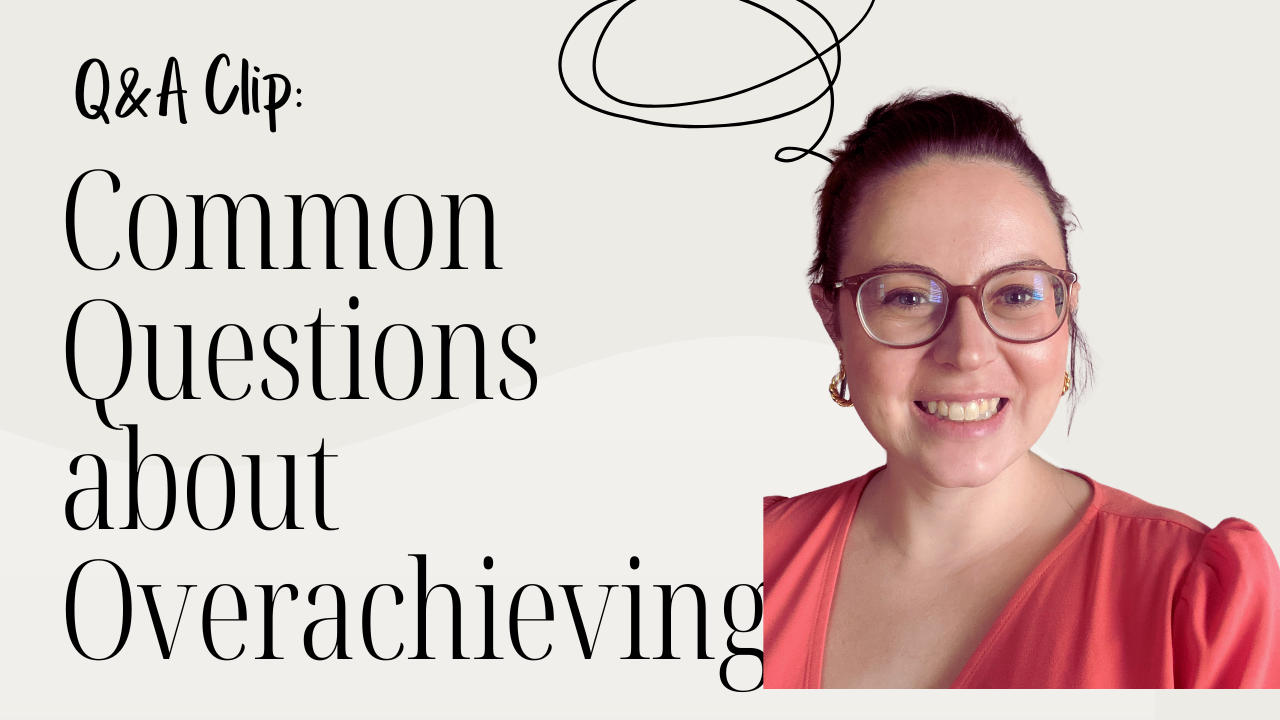
Breaking Free from Overachieving: Your Questions Answered
Do you feel like you’re constantly chasing the next goal, yet never feeling satisfied? If you can’t seem to slow down without guilt or fear of falling behind, you might be stuck in the overachieving cycle. In this Q&A series, I’m answering YOUR questions about overachieving, exploring why it happens and how to break free.
As a holistic therapist who supports high-achievers, caregivers, and helping professionals, I’ll share actionable strategies to help you shift your mindset, prioritize rest, and embrace a life that’s not all about doing, but also about being.
🎥 Questions we’re covering in this episode:
Why do I feel like I have to earn rest?
How can I stop tying my self-worth to my productivity?
What’s a realistic way to start slowing down without losing momentum?
If you’re ready to let go of the pressure to do it all and reclaim balance in your life, this video is for you. Watch now to learn how to challenge overachieving tendencies and find peace in the process.