
When Self-Care Isn’t Working: Why Community Care Might Be the Missing Piece
Still burned out despite practicing self care? Learn how community care, shared responsibility, and receiving support can help us carry less.

The Anti-Hanger Snack Plate for Therapists
Easy lunch and snack ideas for busy therapists who need low-effort ways to eat between sessions without adding another task to their day.

Your Body Gets a Vote: A 2-Minute Mindfulness Exercise Before You Say Yes
Learn a simple mindfulness exercise to stop overcommitting, recognize burnout, and make decisions based on your capacity instead of obligation.

The Partner You Need If You Were Raised by Emotionally Immature Parents
Learn the qualities of an emotionally healthy partner and how childhood emotional neglect shapes adult relationships, boundaries, and emotional labor.
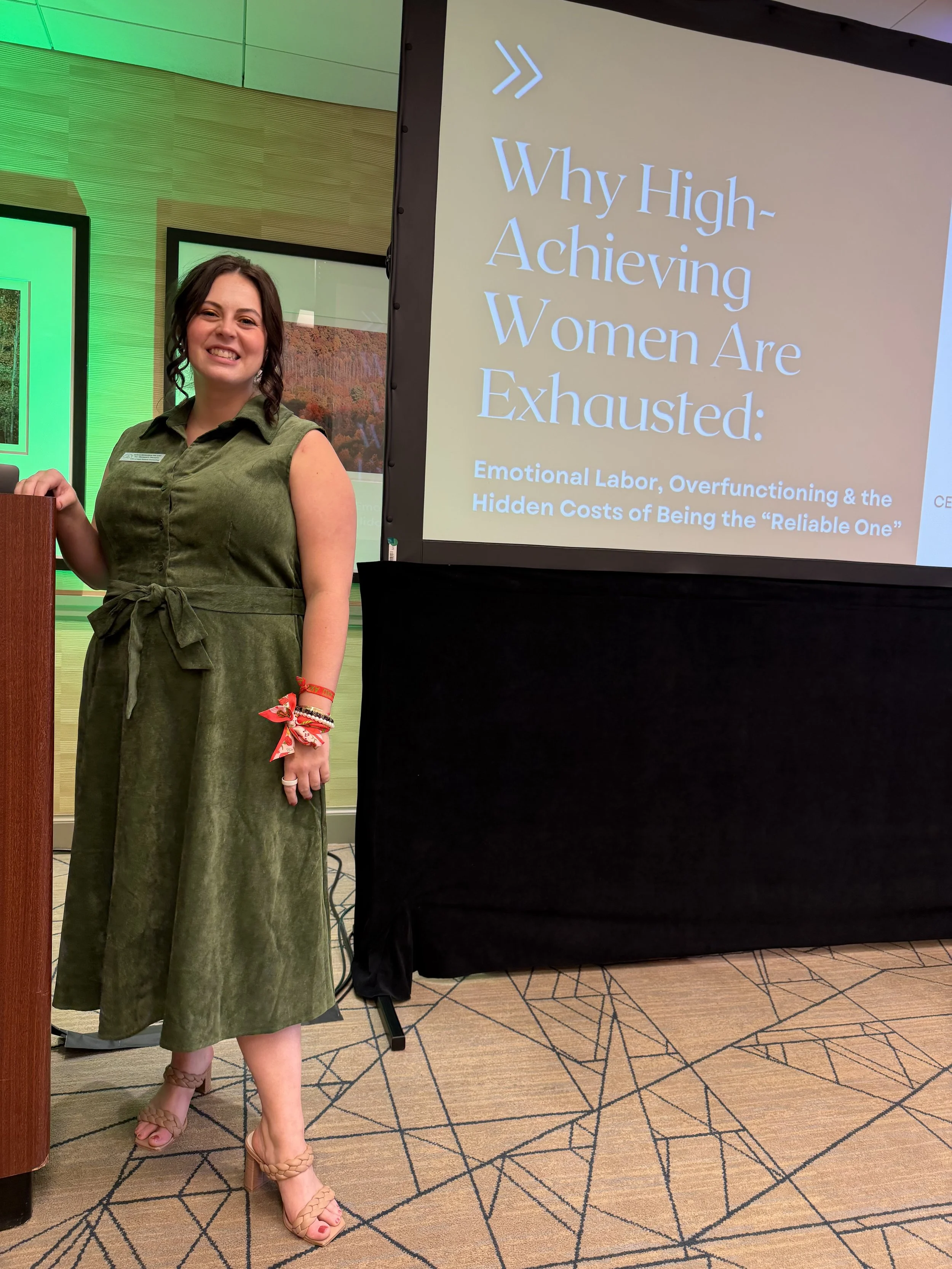
Stop Waiting Until You're Desperate: Boundary Scripts for Women Who Are Tired of Being the Reliable One
Learn practical boundary scripts, how to stop overfunctioning, and why changing your relationship with vulnerability, control, and responsibility is the key to burnout recovery.

Women Are Not “Too Emotional.” They Are Carrying Too Much
Explore emotional overload, burnout, and nervous system exhaustion in high achieving women carrying invisible emotional labor.

You Cannot Self Care Your Way Out of Systemic Overload
Explore why burnout is often caused by emotional labor, overfunctioning, and systemic overload rather than lack of self
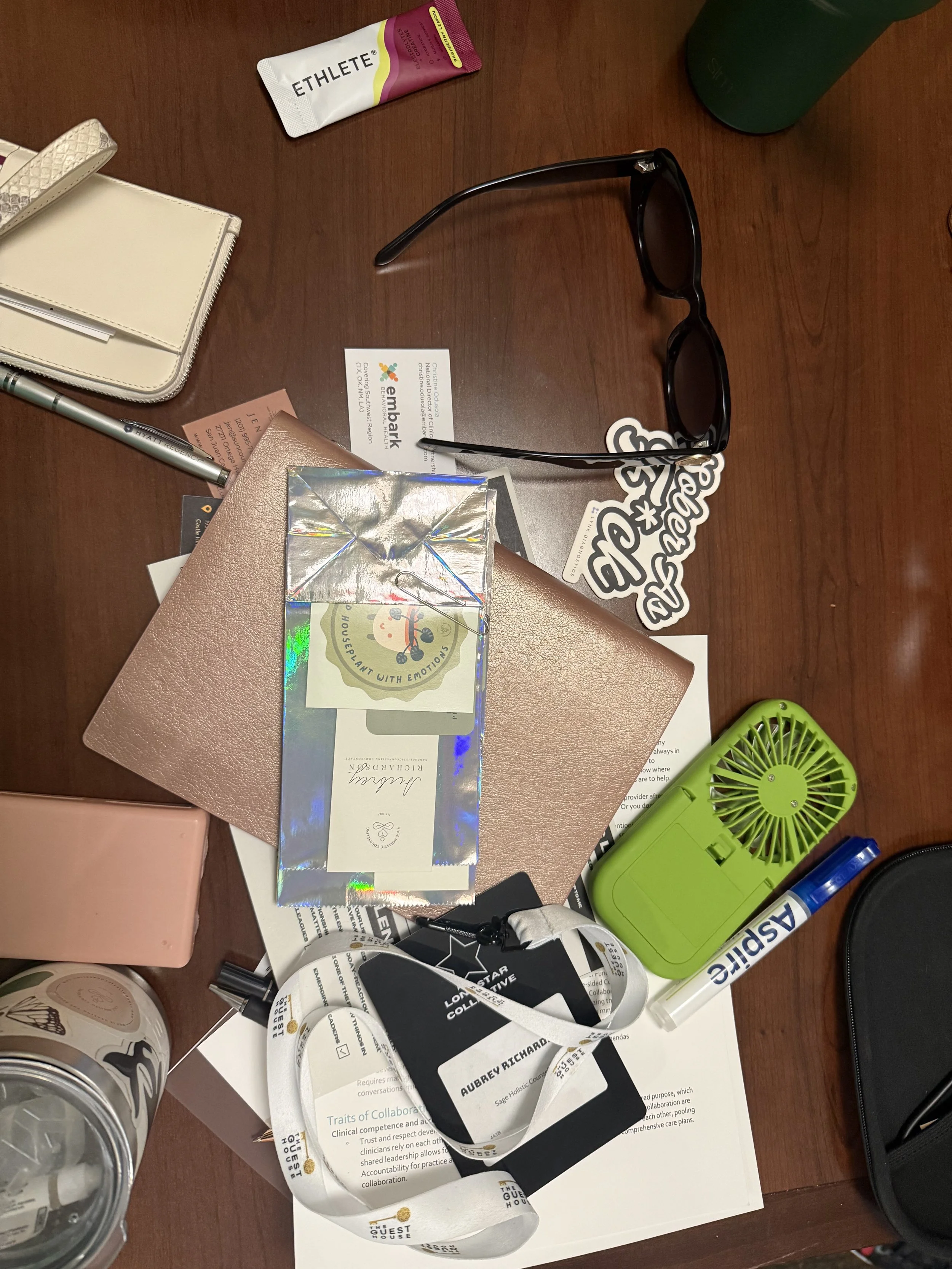
Why High Achieving Women Are Exhausted: Emotional Labor, Overfunctioning, and the Hidden Cost of Being the Reliable One
Explore emotional labor, burnout, and overfunctioning patterns affecting high achieving women and how to create sustainable change.
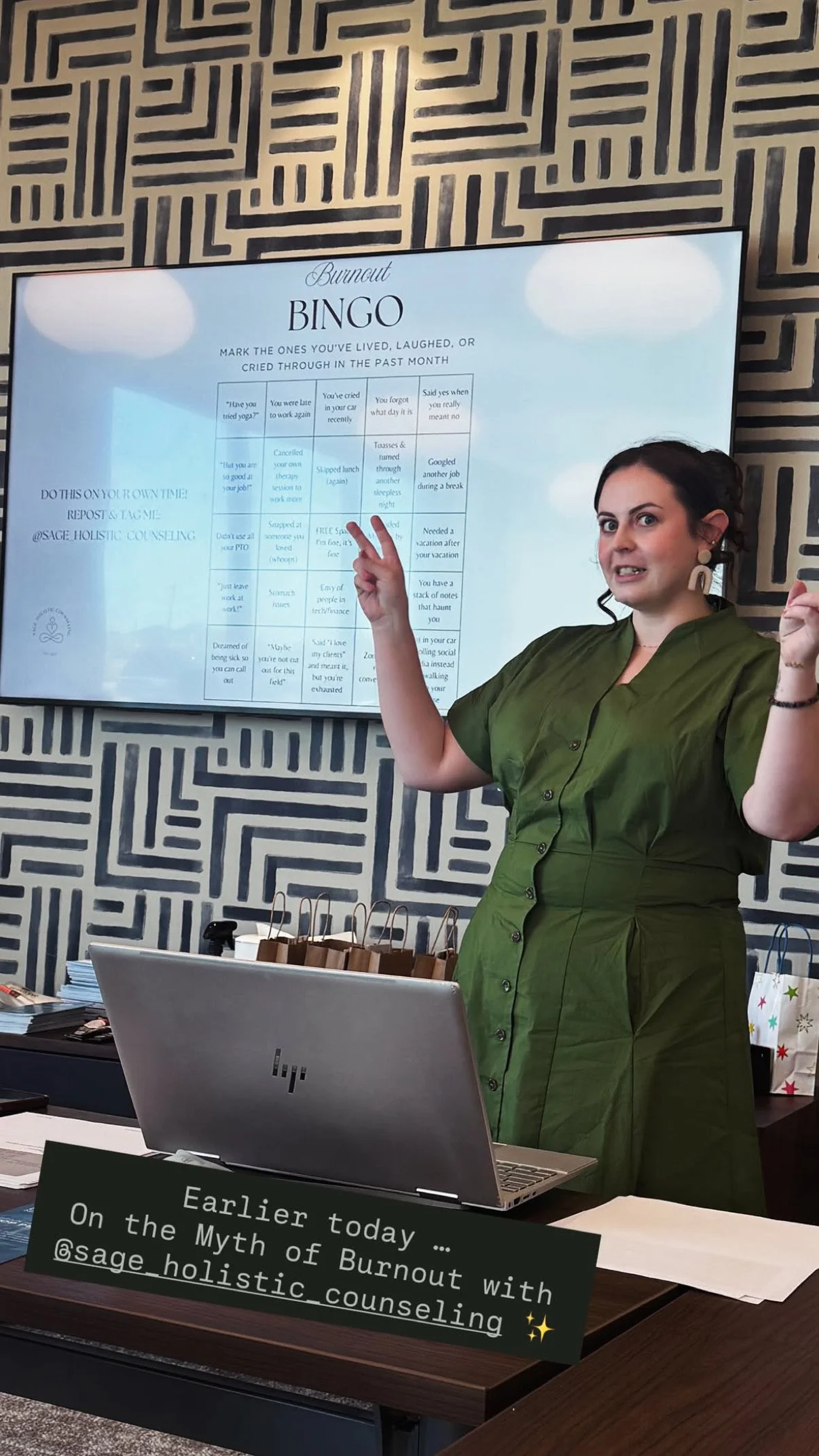
The Burnout Myth: What Helping Professionals Are Getting Wrong About Burnout
Burnout in therapists and helping professionals is rising. Learn why self care is not enough and how to build sustainable systems that prevent burnout long term.



Why Helpers Often Attract Emotionally Unavailable Partners
Why do helpers attract emotionally unavailable partners? Explore attachment styles, IFS, and childhood roles driving this relationship pattern.

BREAKING UP WITH TOXIC RELATIONSHIPS:
Explore how people pleasing and overfunctioning shape unhealthy relationships, and how clarity, confidence, and boundaries emerge before leaving. Therapy for therapists in Texas.

How to Stop Parenting Your Partner
We were rewarded for being the most capable one in the room.
But partnership requires something different.
It requires:
Shared responsibility
Mutual effort
Emotional reciprocity
Not silent heroism.
And if we are exhausted, resentful, or starting to feel disconnected…
That is not a communication problem.
It is a dynamic problem.

What Actually Changes When We Stick with Therapy for a Year
There’s a quiet question many of us carry into therapy that we don’t always say out loud: “Is this actually doing anything?”
Not in a crisis moment.
Not after a breakthrough session.
But somewhere in the middle of the messiest part, when we’re still showing up, still talking, still trying. Especially for the people Sage Holistic Counseling is built for, the helpers, caregivers, and high-achievers, there’s often an underlying pressure to perform even in therapy. To “do it right.”, to get results faster, to find the gold star, To prove that the investment is worth it. For so many of us, we want to move faster. But in therapy, the slower you go the faster you move. And, it can be difficult to notice your progress in the day-to-day.
So let’s answer the question honestly: What actually changes when we stay in therapy for a year?
Not in theory.
Not in textbook language.
But based on real client feedback, lived experience, and the kind of work that happens in the room with me.

The Silent Burnout of High-Functioning & Anxious therapists: Signs You’re Missing
High-functioning anxiety often wears a smile. It masquerades as productivity hacks, a full color-coded calendar, and a full bag of emergency supplies at all times—all signs that someone is allegedly thriving and “has it all together”. But behind the curtain of performance lies a persistent tension, an internal pressure cooker that never seems to release. For many helping professionals, especially therapists, this experience is familiar. You keep showing up. You keep giving. But under the surface, something feels off. The best metaphor: You act like a duck, swimming smoothly on the surface, but kicking like hell underneath the water.